Bandhavgarh Tour Packages
Book one of our specially crafted Bandhavgarh tour packages to explore India’s one
of the greatest
national
parks and visit its wonderful tourist spots.
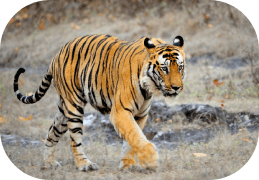
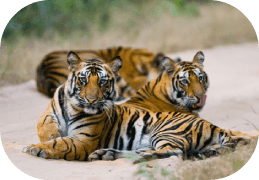
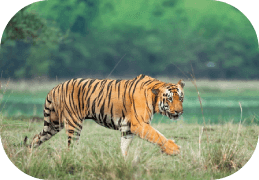
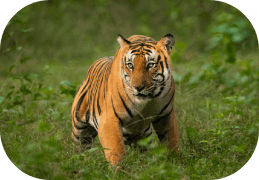
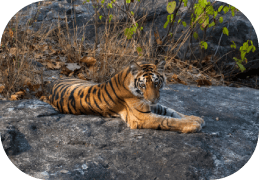
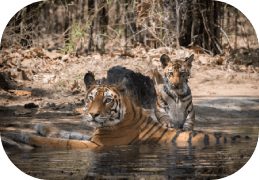
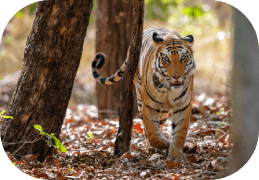
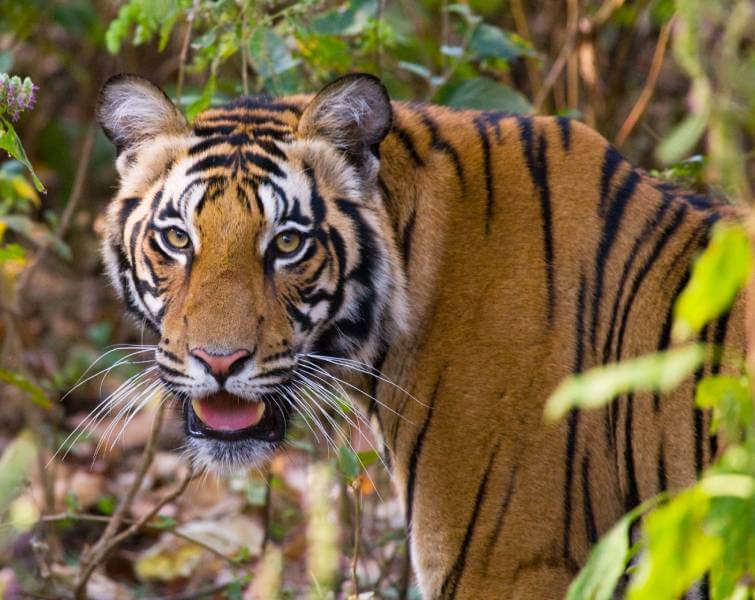
Bandhavgarh National Park, the most popular national parks in India is located in the Vindhya Hills of the Umaria district in Madhya Pradesh. Declared as a national park in 1968 the Bandhavgarh National Park is spread across the area of 105 km². The name Bandhavgarh has been derived from the most prominent hillock of the area of Umaria. The area of Bandhavgarh is being flourished with a large biodiversity, the place which is also being famed to grip highest density of tiger population in India. Similarly, the park also beholds the largest breeding population of leopards and various species of deer. Over the years, the park has shown a great number of increases in the count of the tiger species and this is the reason why tiger tours is so famed to attract large amount of tourists at its vicinity.
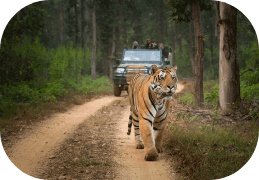
The park has been divided into three major zones named as Tala, Magdi and Bamera out of which the Tala zone attracts major number of tourists by offering the tiger sighting opportunities. The park authorities are also focusing on the Magdi Zone by providing more opportunity to spot tigers. Elephant shows are also organized in Magdi zone of the Bandhavgarh national park to increase the chances of spotting the elusive king of the jungle.
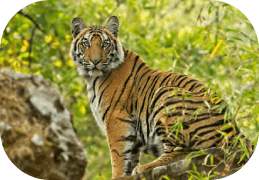
Bandhavgarh National Park consists of mixed vegetations ranging from tall grasslands to thick Sal forest and so is the perfect habitat of variety of animals and birds. Due to varied topography, the Bandhavgarh national park provides ample opportunity to spot the majestic Indian tiger and some rarely seen animals like leopard and sloth bear. Due to high wildlife sighting it is becoming popular amongst tourists visiting India.
Book one of our specially crafted Bandhavgarh tour packages to explore India’s one
of the greatest
national
parks and visit its wonderful tourist spots.
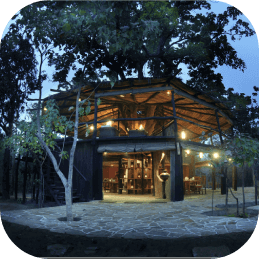
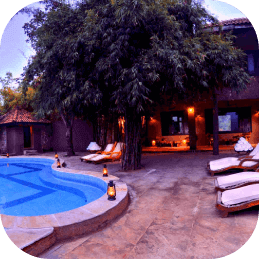
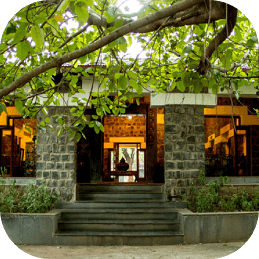
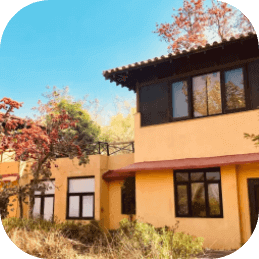
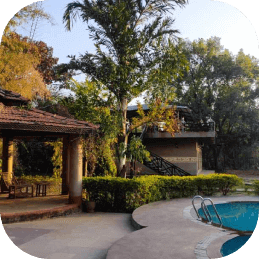
Experience the Wild in Comfort - Discover the Best Places to Stay in Bandhavgarh National Park
Get the latest Bandhavgarh
travel blogs and wildlife
news updates.
Posted on May 5, 2024
Calling Time- 10:00 AM to 6:00 PM



 +91 9212777223