
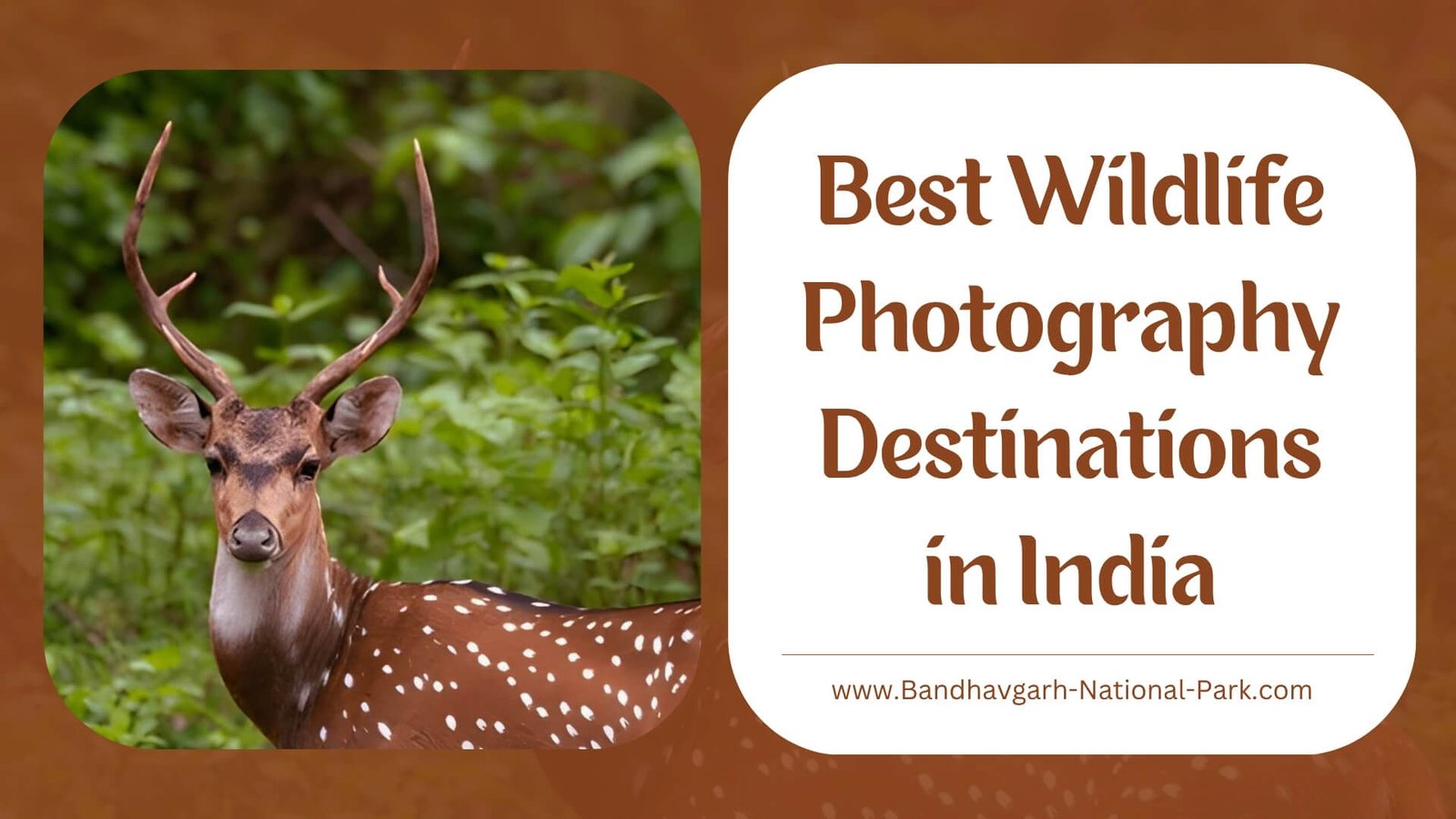
India offers one of the most diverse ecological landscapes on earth for photographers seeking to capture wild species in their natural environments. The terrain shifts from high-altitude cold deserts in Ladakh to dense, low-light rainforests in the Western Ghats, from Brahmaputra floodplains in the northeast to tidal mangrove channels in the Sundarbans, and from flat salt marshes in Gujarat to the teak and sal forests of central India. This geographic range makes India a premier destination for photography tourism.
With a high concentration of apex predators and endemic birdlife, India ranks among the most productive destinations for wildlife photography worldwide. Safari drives here offer highly specific visual opportunities, from framing a Royal Bengal tiger against ancient stone ruins to tracking a greater one-horned rhinoceros through marshy floodplains to photographing an Asiatic lion at golden hour in dry deciduous scrub.
This guide covers the best wildlife photography destinations in India, detailing signature species, technical setup requirements, and the on-the-ground logistical realities photographers must prepare for.
- Bandhavgarh National Park, Madhya Pradesh
- Ranthambore National Park, Rajasthan
- Jim Corbett National Park, Uttarakhand
- Kaziranga National Park, Assam
- Kabini Wildlife Sanctuary, Karnataka
- Pench National Park, Madhya Pradesh
- Hemis National Park, Ladakh
- Gir National Park, Gujarat
- Tadoba Andhari Tiger Reserve, Maharashtra
- Sundarbans National Park, West Bengal
- Keoladeo National Park, Rajasthan
Check out: Popular Wildlife Tour Packages
Bandhavgarh National Park, Madhya Pradesh
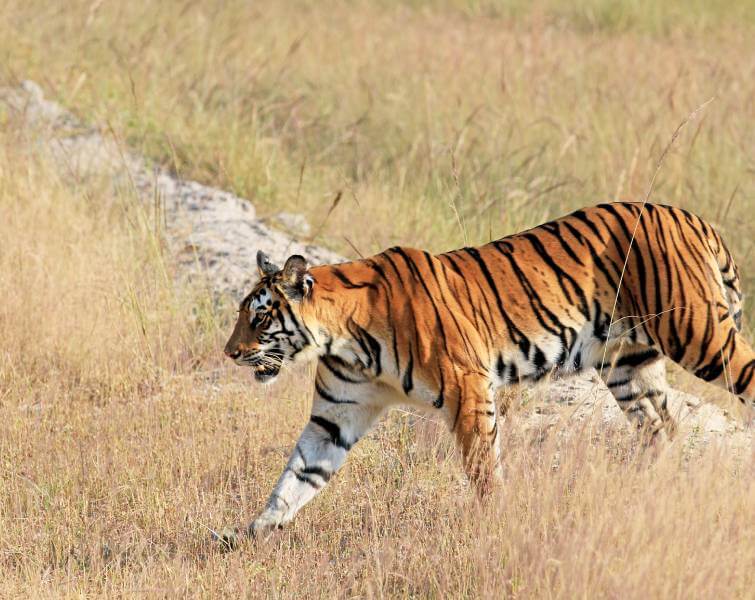
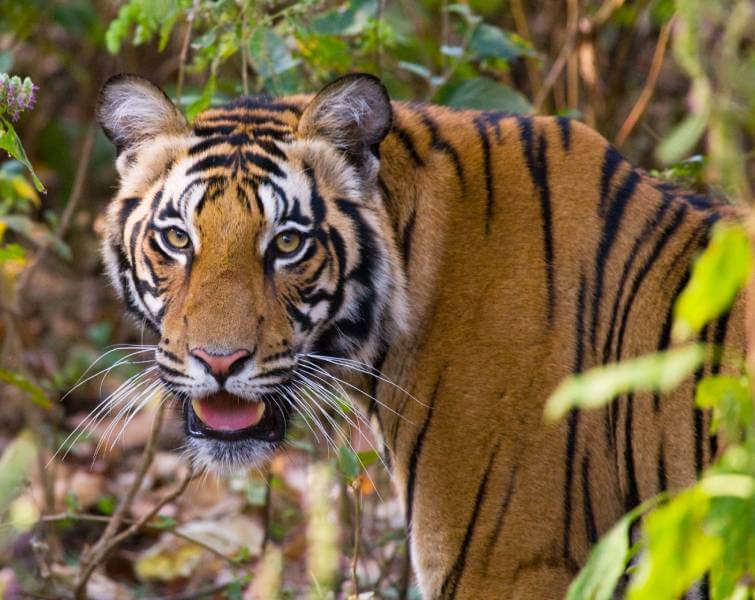
Signature Wildlife: Royal Bengal Tiger, Indian Leopard, Chital, Lesser Adjutant Stork.
Nearest Airport and Railway Station: Jabalpur Airport (approximately 160 km); Umaria Railway Station (approximately 35 km).
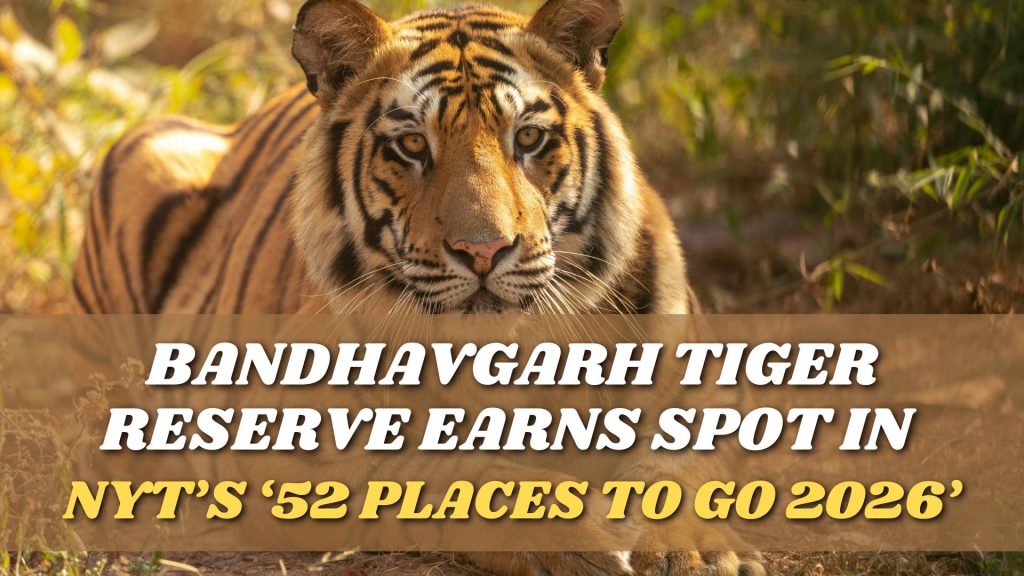
With one of the highest tiger densities of any Indian reserve, Bandhavgarh’s steep Vindhyan cliffs, open valleys, and a two-thousand-year-old hilltop fort provide multi-layered backgrounds that give tiger photographs genuine depth. Photographers can frame tiger movement against striking vertical rock faces and white clay cliffs rather than flat jungle foliage, which is why Bandhavgarh consistently ranks among the top wildlife photography destinations in the country for serious predator work.
Photography Highlights: Tigers walking through open meadows with jagged white clay cliffs and sal forest behind them. Big cats climbing along rocky ridgelines toward the ancient hilltop fort ruins.
Pro Tip: The Tala zone is the strongest area for capturing classic landscape-plus-predator compositions. Its open meadows and the cliff backdrops give you the layered framing that defines Bandhavgarh photography.
Ranthambore National Park, Rajasthan
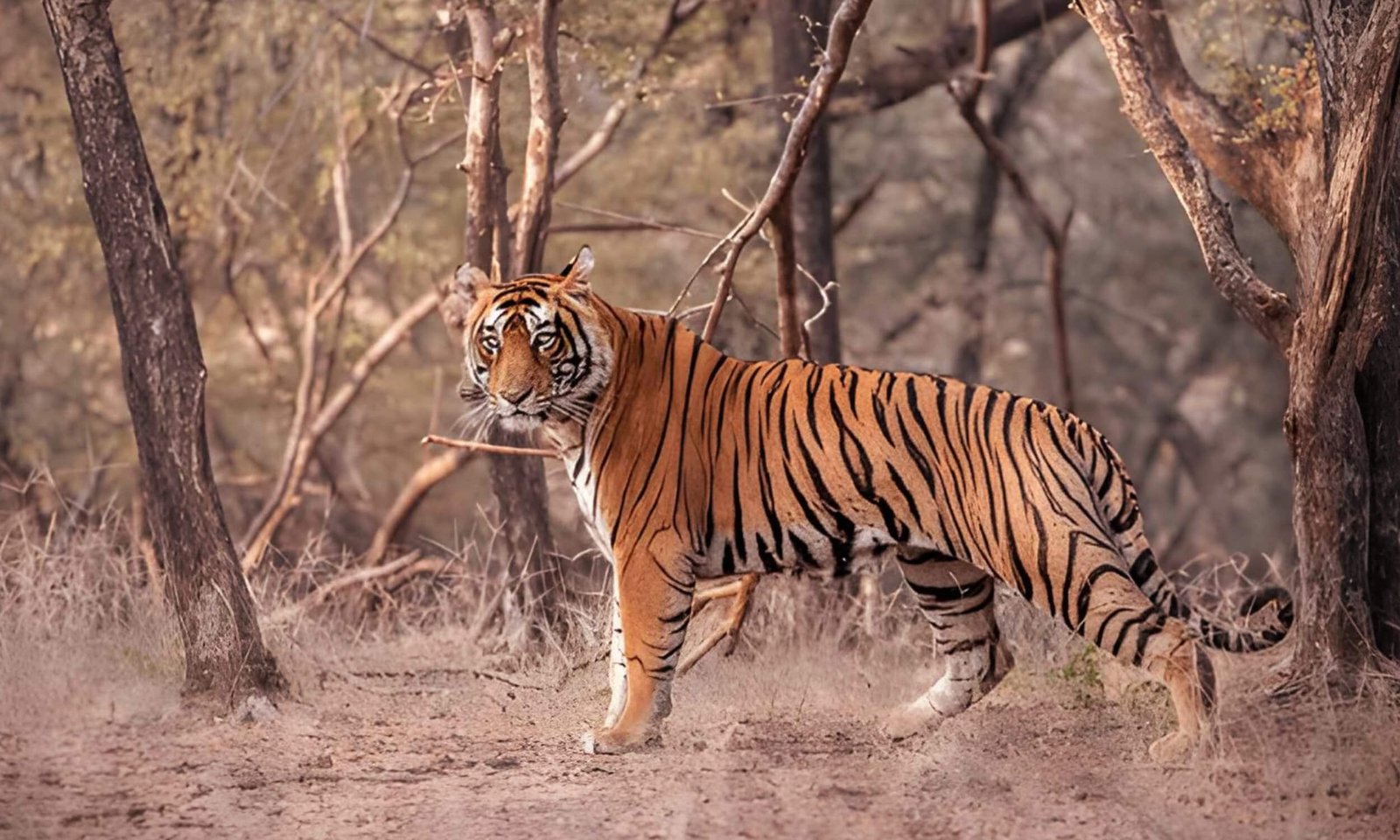
Signature Wildlife: Royal Bengal Tiger, Indian Leopard, Sloth Bear, Marsh Crocodile.
Nearest Airport and Railway Station: Jaipur International Airport (approximately 180 km); Sawai Madhopur Junction (approximately 11 km).
Ranthambore is the only tiger reserve in India where wildlife and heritage share the same frame. A tenth-century fort, inscribed as a UNESCO World Heritage Site in 2013 under the Hill Forts of Rajasthan, rises over the core zone, and tigers regularly drink, rest, and hunt against a backdrop of crumbling Mughal-era ruins, stepped lakes, and ancient banyan trees. This combination of predator activity and architectural drama turns standard animal portraits into layered compositions that no other Indian reserve can replicate.
Photography Highlights: Big cats passing through ancient stone gates and lakeside ruins at Padam Talao and Raj Bagh. Marsh crocodiles basking on the banks of the stepped lakes with the fort silhouetted above.
Pro Tip: Request Zones 2, 3, or 4 when booking. These zones contain the primary lakes, the fort backdrop, and the highest concentration of territorial tiger activity based on current field data. Zone 3 in particular includes Padam Talao, the single most photographed tiger-sighting location in India.
Jim Corbett National Park, Uttarakhand
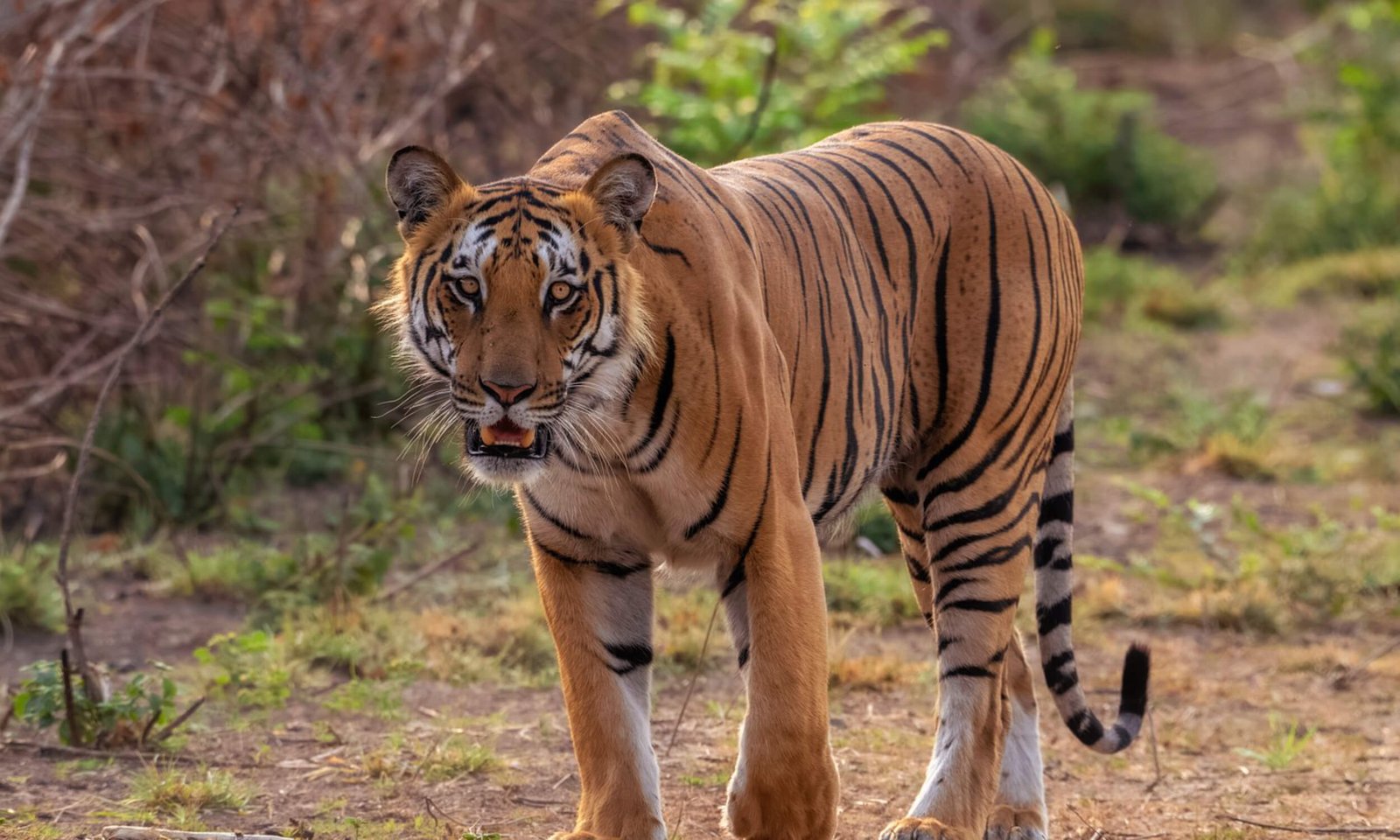
Signature Wildlife: Asian Elephant, Royal Bengal Tiger, Gharial, Crested Serpent Eagle.
Nearest Airport and Railway Station: Pantnagar Airport (approximately 80 km); Ramnagar Railway Station (approximately 2 km).
India’s oldest national park, established in 1936, features rolling sub-Himalayan hills, dense sal forests, and the expansive Ramganga riverbed cutting through the valley. Its cinematic backgrounds and large wild elephant herds make it one of the strongest wildlife photography destinations in north India, and the Dhikala zone in particular pairs serious wildlife density with some of the most dramatic landscapes of any Indian reserve.
Photography Highlights: Elephant herds crossing the pebble-strewn Ramganga River with misty blue foothills in the background. Tigers moving through tall, golden-hued elephant grass in the Dhikala meadows.
Pro Tip: Book a stay at the Dhikala Forest Rest House for pre-dawn access to the meadows. The first light hitting the Ramganga valley floor while elephants and deer move through the mist is one of the most reliable high-value compositions in Indian wildlife photography.
Kaziranga National Park, Assam
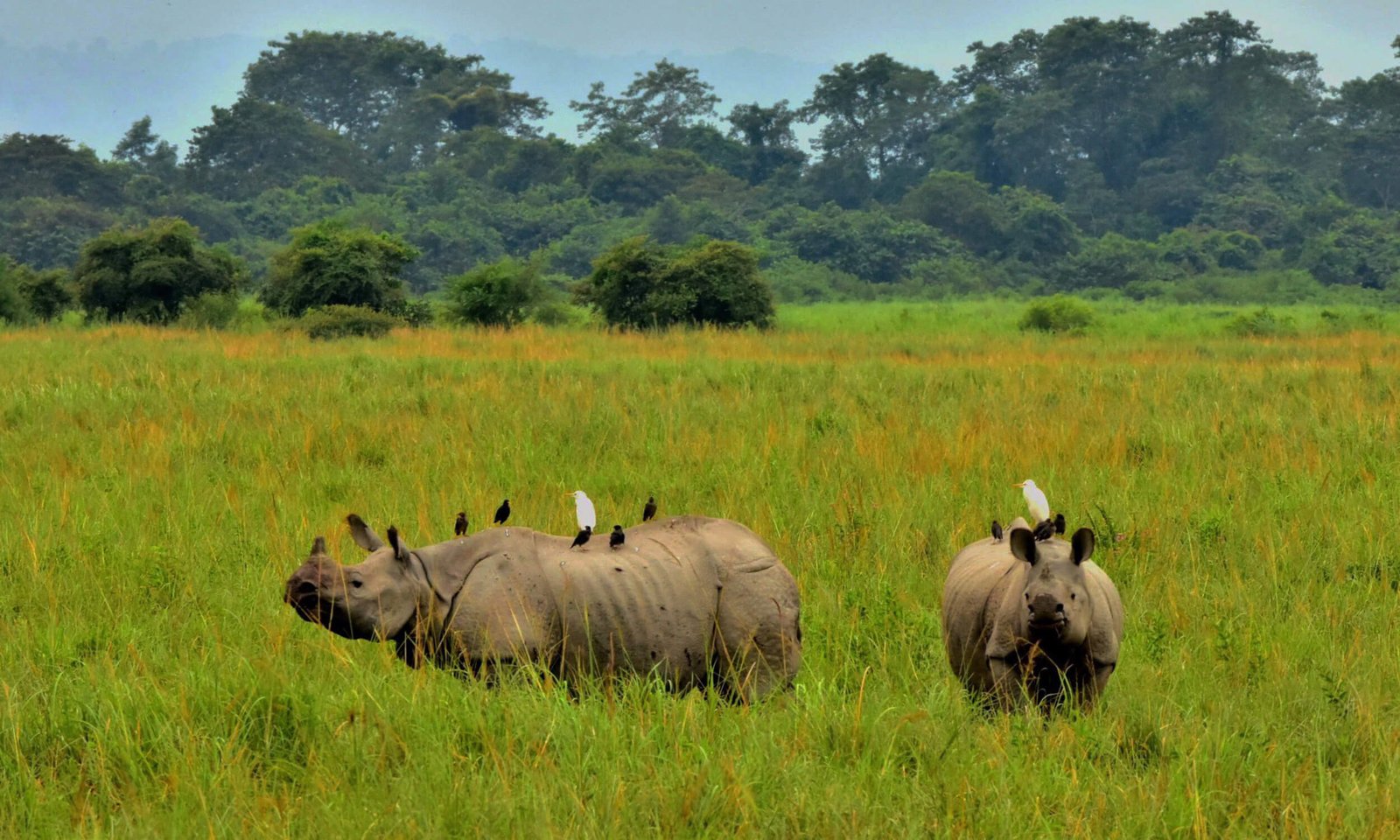
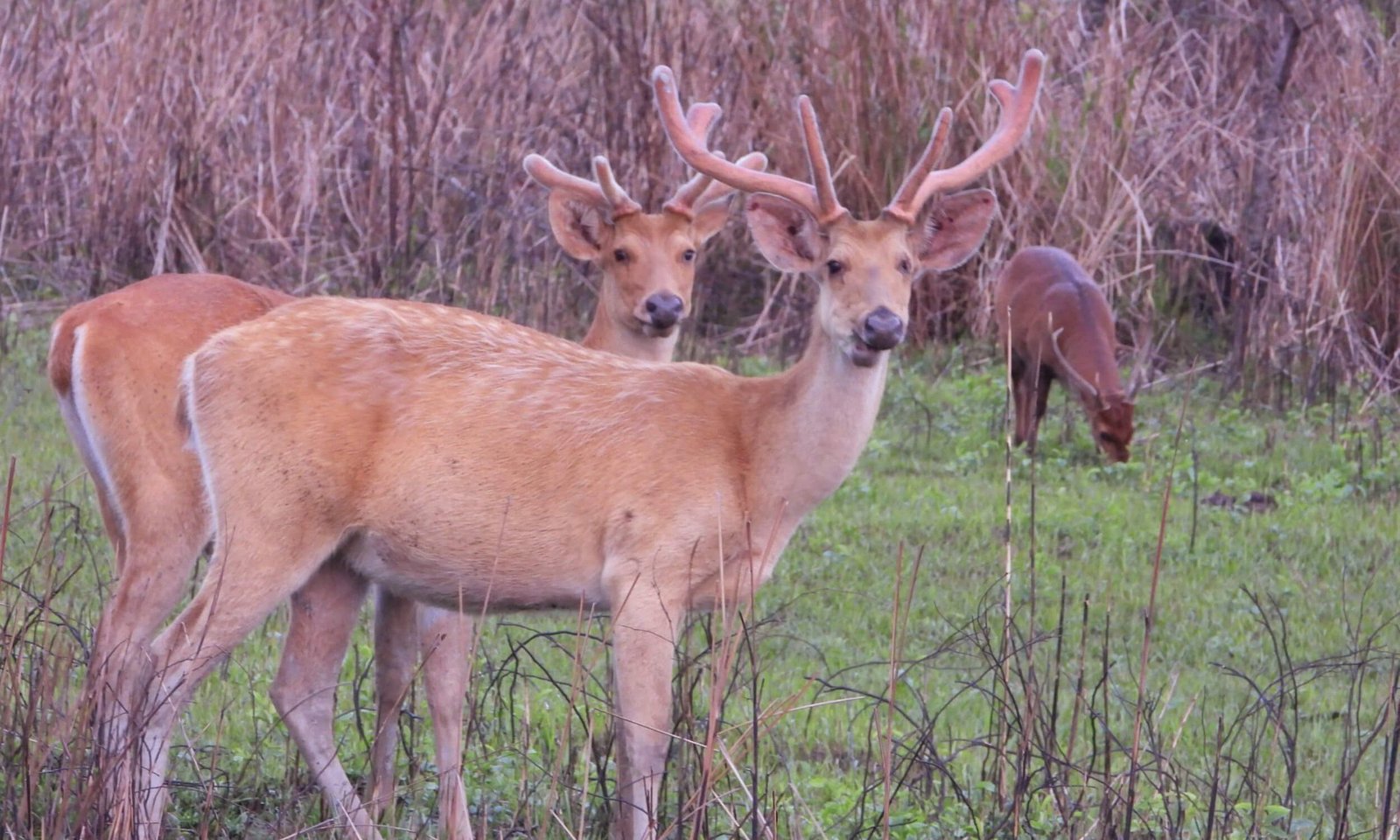
Signature Wildlife: Greater One-Horned Rhinoceros, Wild Water Buffalo, Swamp Deer, and Bar-headed Goose.
This UNESCO World Heritage Site consists of swampy Brahmaputra floodplains filled with towering elephant grass, shallow marshes, and dense morning fog. These conditions create atmospheric, backlit settings that are unique to northeast India and reward photographers who understand how to work with low contrast and diffused light.
Photography Highlights: One-horned rhinos grazing in thick morning mist with golden backlighting filtering through the grass. Large herds of wild water buffaloes standing in weed-covered marshland pools.
Pro Tip: Book the Central Range (Kohora) safari for the most reliable morning compositions of rhino silhouettes against water. The Eastern Range (Agoratoli) is quieter and delivers stronger bird photography opportunities.
Kabini Wildlife Sanctuary, Karnataka
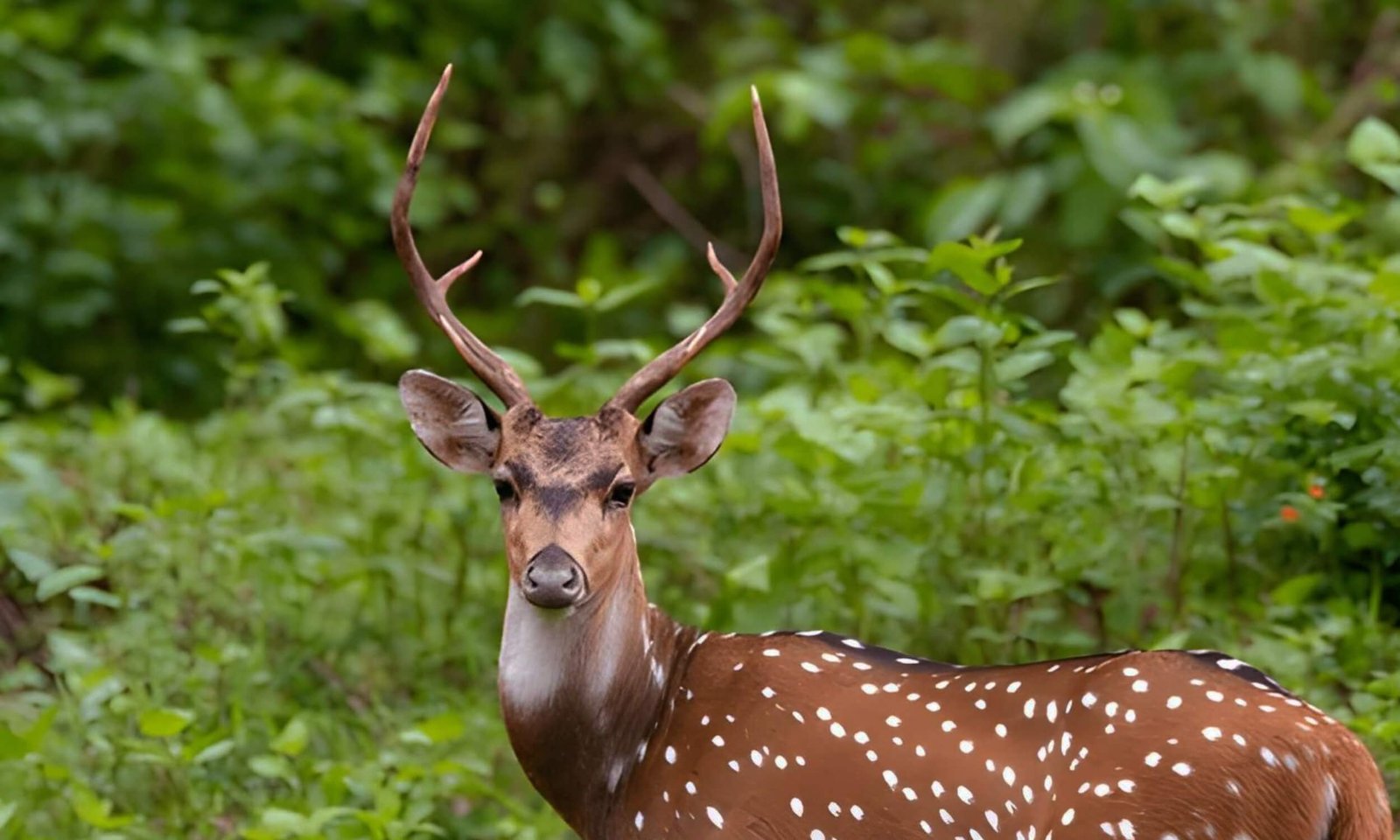
Signature Wildlife: Melanistic Leopard, Indian Leopard, Asian Elephant, Malabar Giant Squirrel.
Part of the Nagarhole ecosystem in the Western Ghats, Kabini is built around a large reservoir that draws wildlife to its banks, particularly as the water recedes through the dry months. The deep teak canopy and riverbank terrain create moody, high-contrast lighting conditions that suit photographers comfortable working with fast lenses and high ISO. Kabini is also one of the most reliable locations in the world for sighting melanistic leopards, with multiple individuals documented across the Nagarhole landscape.
Photography Highlights: Melanistic leopards (black panthers) moving through dappled canopy light on mossy branches. Elephant herds congregating along the receding Kabini reservoir banks at dusk.
Pro Tip: Book the boat safari at least once. The low-angle, water-level vantage point delivers compositions of shorebirds, elephants drinking, and forest reflections that are impossible to get from a jeep.
Pench National Park, Madhya Pradesh
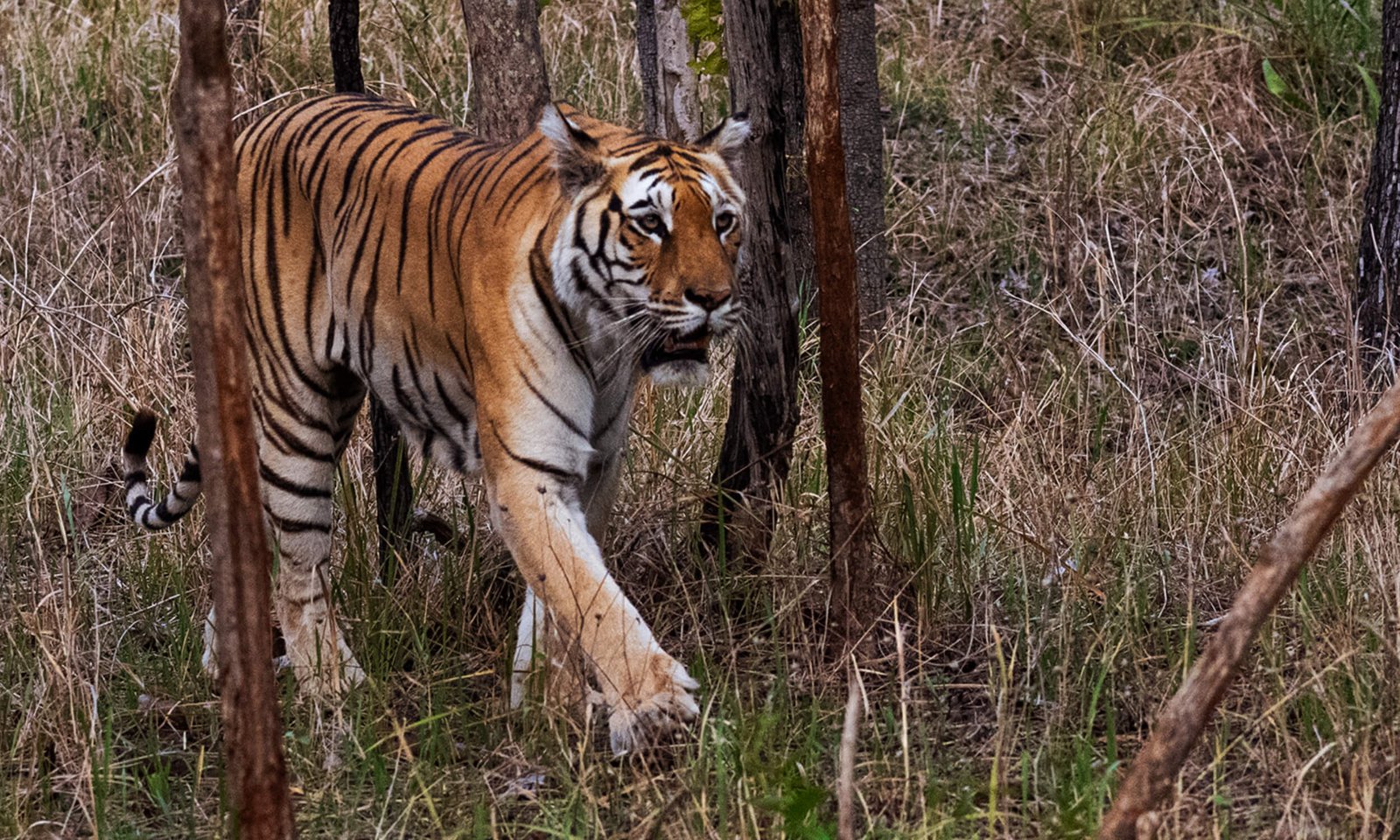
Signature Wildlife: Royal Bengal Tiger, Wild Dog (Dhole), Indian Gaur, Sloth Bear, Indian Wolf.
Pench is the forest Rudyard Kipling drew on for The Jungle Book. Mowgli’s Seoni is the same Seoni district that surrounds the park, and the teak and sal forests, river meadows, and bamboo thickets visible from the safari trails today map directly onto Kipling’s descriptions. The Pench River flowing through the core zone creates a natural corridor where wildlife concentrates, and the open meadows flanking the river give photographers clean sightlines and soft, even light, particularly in the early morning.
Photography Highlights: Tigers and wild dogs moving through open river-valley meadows with the Pench river and teak forest as the backdrop. Gaur (Indian bison) herds silhouetted against misty dawn light in the Turia zone grasslands.
Pro Tip: The Turia gate has the highest sighting reliability and the most accommodation options nearby, but the Karmajhiri gate, limited to nine jeeps per day, gives a far quieter shooting environment with fewer vehicles in the frame. For serious photography, Karmajhiri is the stronger choice when permits are available.
Hemis National Park, Ladakh
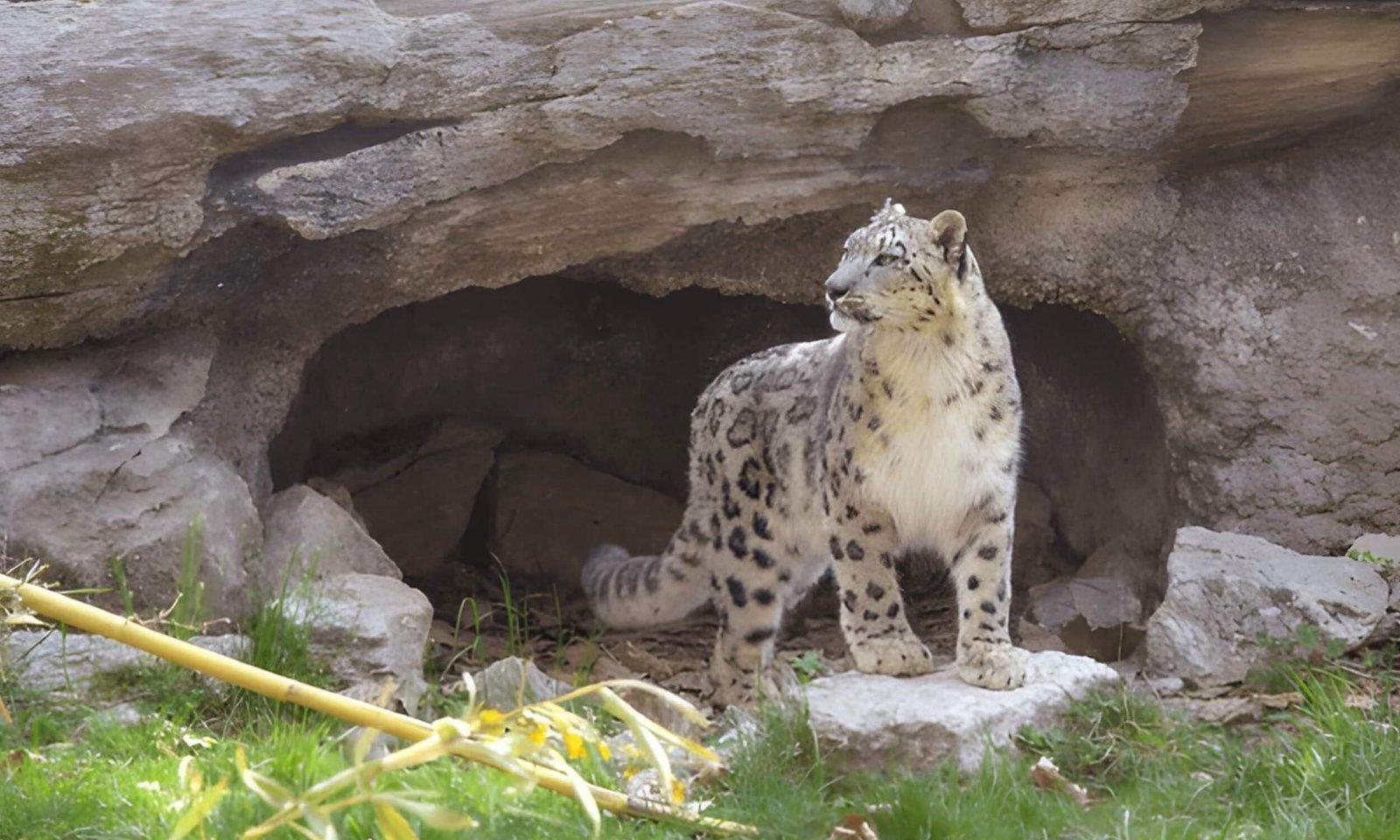
Signature Wildlife: Snow Leopard, Himalayan Blue Sheep (Bharal), Tibetan Wolf, Golden Eagle.
Located in the cold desert of Ladakh, this vast high-altitude wilderness features snow-covered valleys, freezing rocky gorges, and jagged mountain ridges. It is a challenge for adventurous photographers aiming to document elusive high-altitude predators in extreme winter environments, and it delivers one of the rarest wildlife photography subjects on earth: the snow leopard tracked across its winter hunting range.
Photography Highlights: The grey ghost of the mountains camouflaged against steep, snow-dusted rock walls. Tibetan wolves and blue sheep moving across pristine white landscapes with sharp Himalayan ridgelines behind them.
Pro Tip: A strict 48-hour acclimatization period in Leh is mandatory before ascending into the park to prevent acute mountain sickness. Work exclusively with local Ladakhi spotters; their tracking skills, built over decades of reading the terrain, are the only reliable means of locating a snow leopard in this landscape.
Note: This is a physically demanding high-altitude expedition requiring genuine fitness and cold-weather preparation. Consult a doctor regarding altitude acclimatization before booking.
Gir National Park, Gujarat
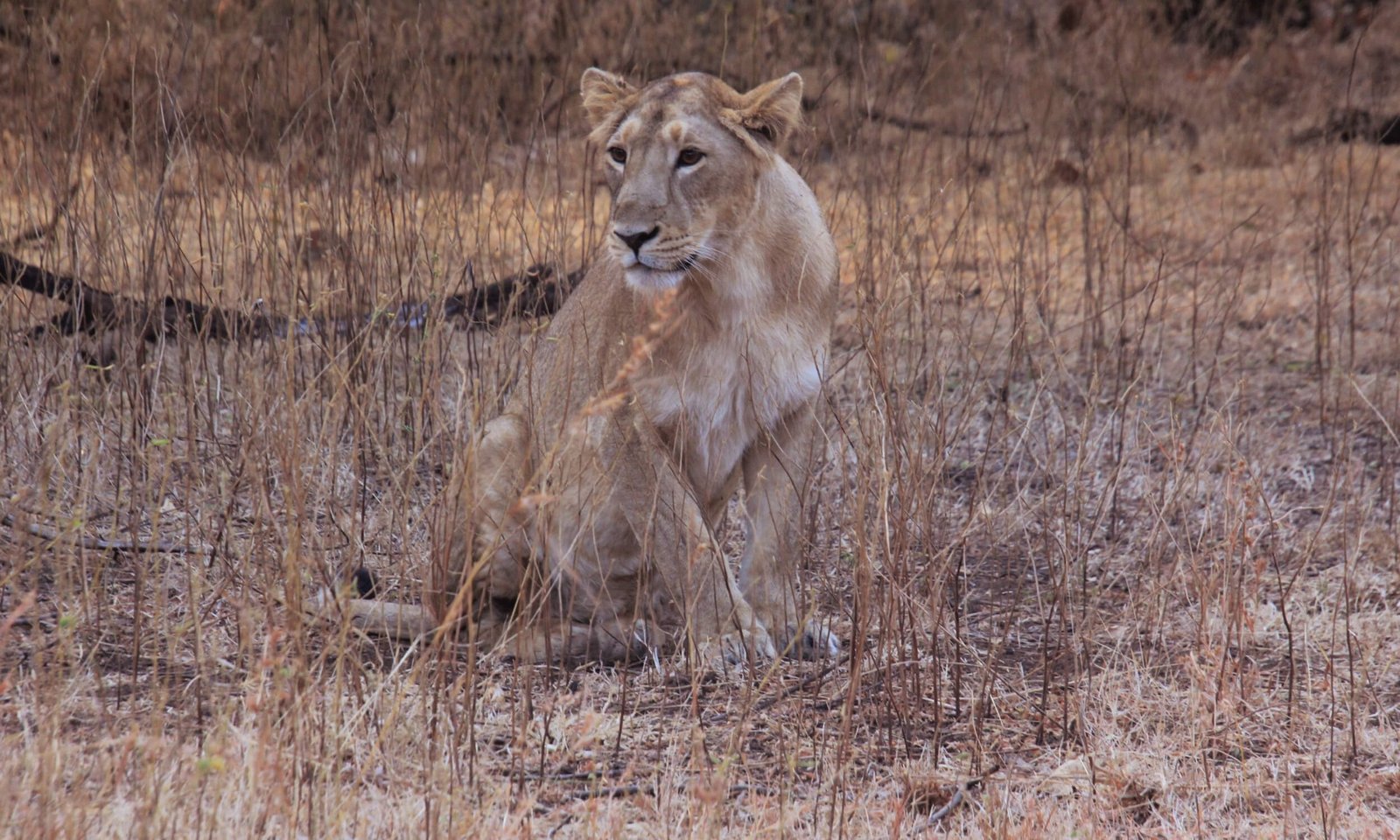
Signature Wildlife: Asiatic Lion, Indian Leopard, Striped Hyena, Chowsingha (Four-horned Antelope).
Gir is the only place on earth where the Asiatic lion survives in the wild. The population has recovered from roughly twenty individuals in the early twentieth century to over 670 today, making it one of India’s most significant conservation success stories. The park’s dry deciduous forest, teak groves, rocky terrain, and open scrubland thin out through the dry months, concentrating lions at predictable water sources and creating clean compositions against warm, dusty backdrops.
Photography Highlights: Male lions with full manes walking along dusty forest paths in early-morning golden light. Prides resting under the canopies of dry teak trees with the scrubland stretching behind them.
Pro Tip: Secure the 6:00 AM safari slot. The golden hour lighting on the lions’ manes is vastly superior to the harsh, flat, top-down lighting of the afternoon drives. The Sasan and Devalia zones deliver the most consistent lion activity.
Tadoba Andhari Tiger Reserve, Maharashtra
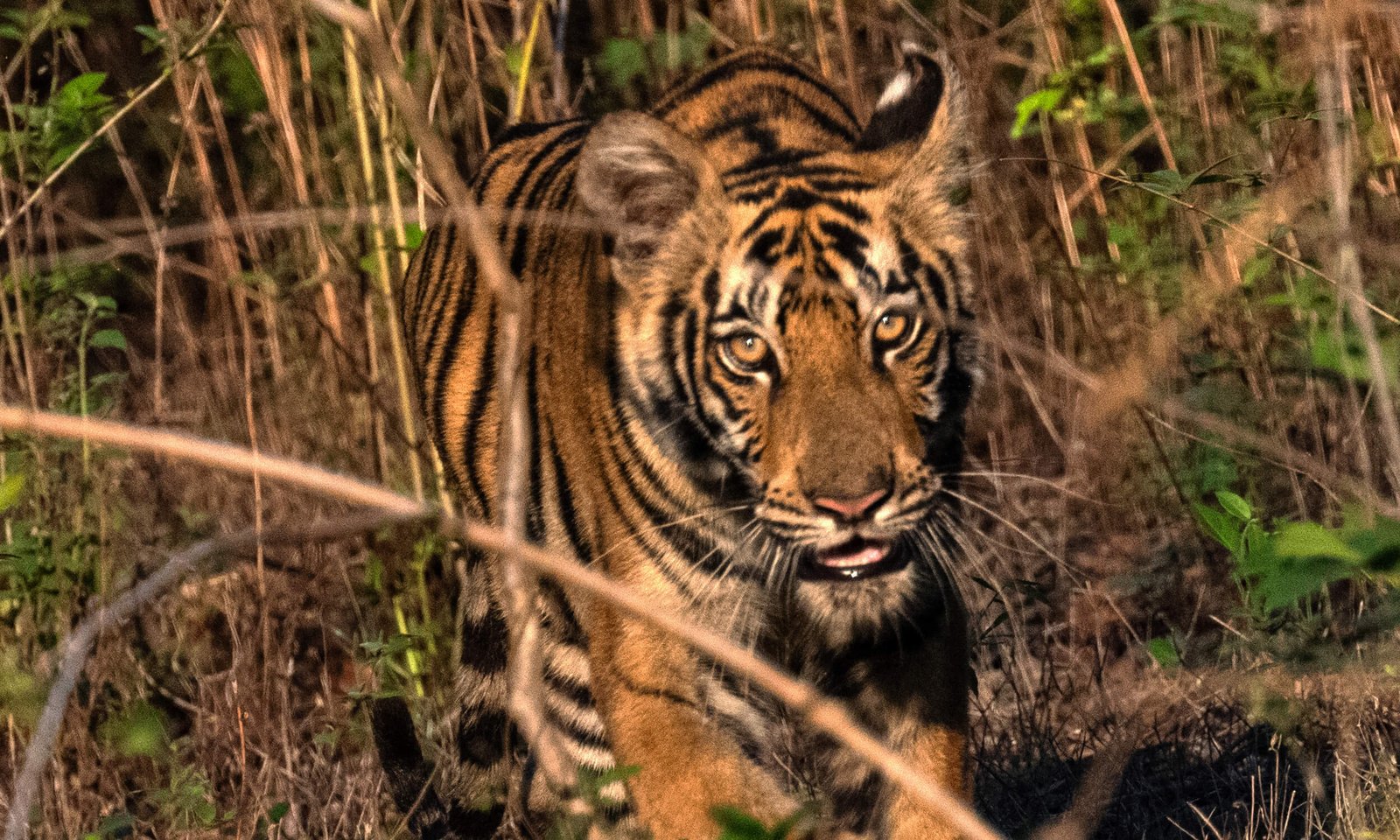
Signature Wildlife: Royal Bengal Tiger, Sloth Bear, Indian Leopard, Dhole (Asiatic Wild Dog).
Tadoba is Maharashtra’s oldest and largest national park and one of the most reliable tiger reserves in the country. Its dry climate thins the vegetation through summer, revealing active predator paths and creating striking compositions near the park’s waterholes and lake system. The bamboo thickets, rugged terrain, and Tadoba Lake itself give the park a visual character distinct from central India’s sal-and-teak forests.
Photography Highlights: Tigers cooling off in green duckweed-covered pools during hot afternoons, with the bright green surface creating a vivid contrast against the orange coat. Sloth bears digging into large termite mounds alongside the main safari tracks in early-morning sidelight.
Pro Tip: Focus your bookings around the Moharli and Kolara gates, which historically offer the most consistent access to active predator territories and reliable waterhole sightings. Buffer-zone lodges near these gates make late-afternoon and early-morning access straightforward when core-zone permits are scarce.
Sundarbans National Park, West Bengal
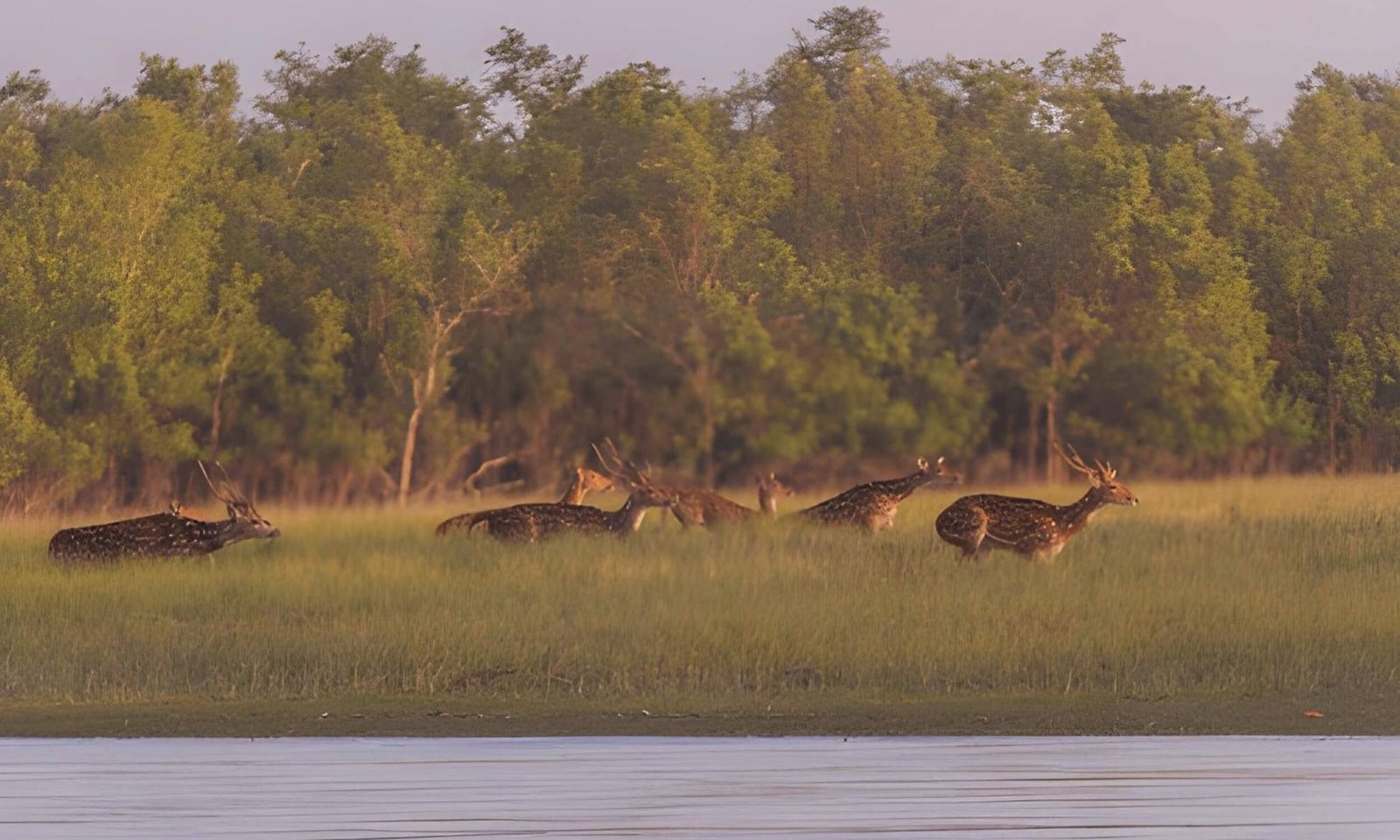
Signature Wildlife: Royal Bengal Tiger, Saltwater Crocodile, Gangetic Dolphin, Spotted Deer, Kingfisher species.
The Sundarbans is the only mangrove forest in the world that supports a wild tiger population, and it demands a completely different approach to wildlife photography than any other destination on this list. Safaris here are conducted entirely by boat through a maze of tidal creeks and channels, which means compositions are framed from water level rather than from a jeep, and the landscape itself, shifting tidal mud, aerial root systems, and narrow waterways, becomes the dominant visual element. The Royal Bengal tigers here are adapted to the mangrove environment and are far more elusive than their forest counterparts, but when a sighting does occur, the setting is unlike anything available in mainland India.
Photography Highlights: Spotted deer and wild boar on narrow mudflats with mangrove root systems filling the frame. Saltwater crocodiles resting on tidal banks with the dense green canopy reflected in still creek water.
Pro Tip: Book the longer overnight boat itineraries rather than single-day trips. The Sundarbans reward patience: dawn and dusk on the creeks deliver the strongest light and the highest probability of wildlife activity at the water’s edge.
Keoladeo National Park, Rajasthan
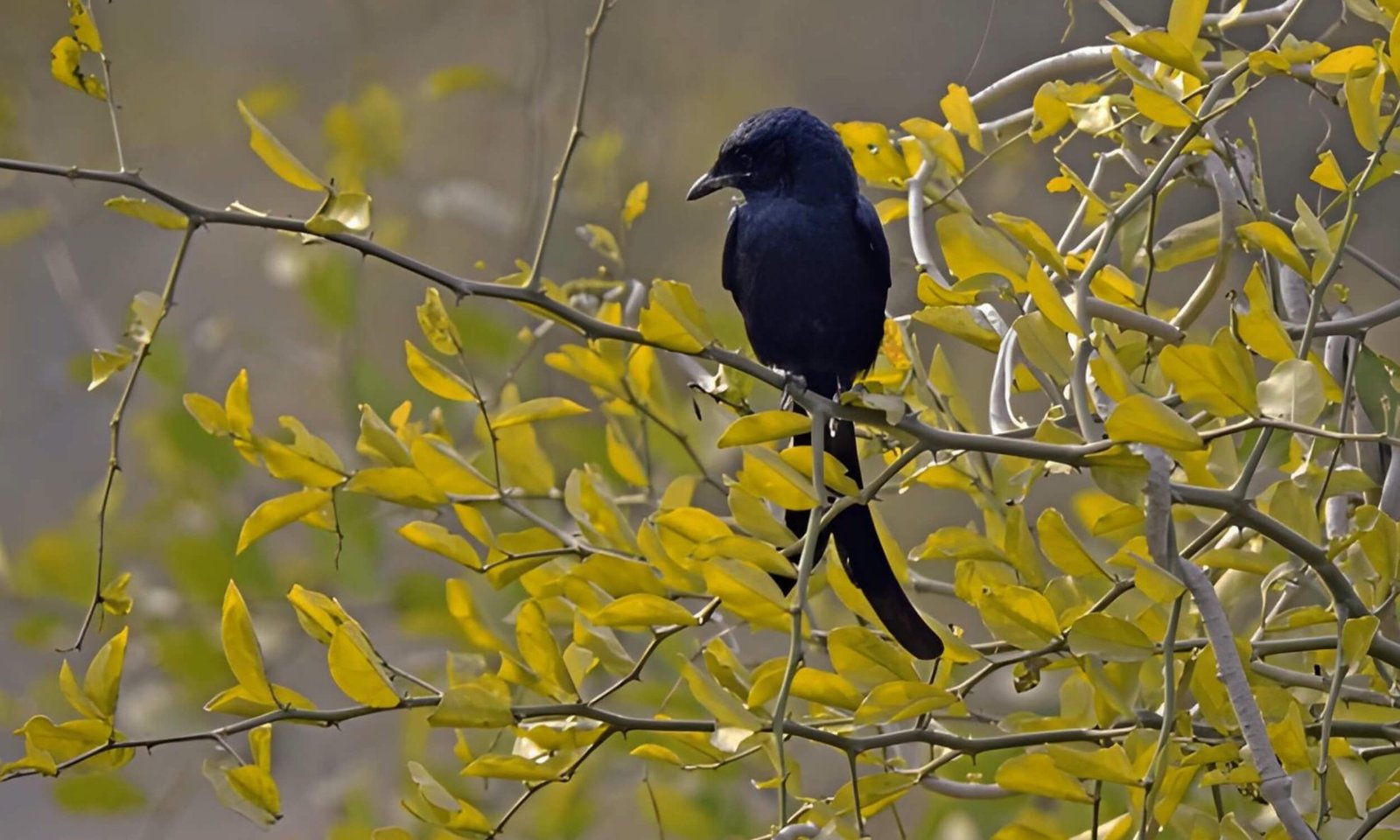
Signature Wildlife: Painted Stork, Sarus Crane, Eurasian Spoonbill, Greater Spotted Eagle.
Formerly Bharatpur Bird Sanctuary, this UNESCO-listed artificial wetland is one of the most important wintering grounds for migratory waterbirds in Asia. The absence of motorized vehicles allows photographers to explore on foot or by cycle-rickshaw, creating a quiet, controlled environment for bird photography that is impossible to replicate in a jeep-based reserve.
Photography Highlights: Thousands of nesting painted storks, herons, and ibises in lakeside trees during the winter breeding season. Sarus crane pairs against the warm red light of a winter sunrise.
Pro Tip: Hire a local cycle-rickshaw puller who doubles as a trained birding guide. These guides know the exact roosting trees for rare species, including owls, and their rickshaws let you move quietly through the park without flushing birds from the waterline.
Planning Your Wildlife Photography Trip
3 to 5 Days: Focus on One Park
- Spend your entire trip in a single national park or wildlife reserve.
- Aim for 4 to 6 safari drives to maximize wildlife sightings and photography opportunities.
- Staying in one park allows you to take advantage of the best morning and afternoon light instead of losing time traveling.
Recommended itineraries:
- Ranthambore National Park
- Tadoba National Park
- Gir National Park
- Pench National Park
7 to 10 Days: Explore Two Parks
Combine two parks in the same region to reduce travel time and spend more hours in the field. Choose parks that are within 4 hours of each other for the most efficient itinerary.
Recommended regional circuits:
- Central India: Bandhavgarh + Pench or Kanha
- South India: Kabini + Bandipur
- Rajasthan: Ranthambore + Keoladeo National Park (Bharatpur)
12+ Days: Multi-Region Wildlife Expedition
- Visit multiple ecosystems across India by combining parks in different states.
- Use domestic flights between regions to maximize photography time.
Recommended itineraries:
- Keoladeo National Park + Ranthambore National Park + Hemis National Park
- Tadoba National Park + Pench National Park + Kaziranga National Park + Sundarbans National Park
- Spend 3 to 5 days in each park to improve your chances of wildlife sightings and capture different lighting conditions.
- Avoid rushing between destinations, as frequent travel reduces valuable time in the field.
- Summer (March to June): Best for photographing predators gathering around waterholes.
- Winter (November to February): Ideal for migratory birds, rhinoceroses, and snow leopard expeditions.
- Monsoon (June to September): The Western Ghats reserves remain productive even when many northern parks are closed.
- 10 Best Places To Visit In Madhya Pradesh
- Ancient Artefacts Of 2,000-Year-Old Modern Society Discovered In Bandhavgarh Tiger Reserve In Madhya Pradesh
- 10 Tips For Planning Jungle Safari In Bandhavgarh National Park
- ASI Digs Up Ancient Buddhist Caves, Temples, Inscriptions In Bandhavgarh Tiger Reserve, Madhya Pradesh
- Success Story Of Tiger Relocation In MP: Nauradehi Sanctuary’s Tigress Spotted With Cubs
- Madhya Pradesh Reclaims Tag As India’s Tiger State With 526 Tigers In The Wild
- Best Hotels & Resorts to Stay in Bandhavgarh National Park
- Gems Of Bandhavgarh National Park Other Than The Big Cats
Trip Planning Tips
 +91-9212777224/25
Warning: file_get_contents(http://graph.facebook.com/comments?id=https://www.bandhavgarh-national-park.com/blog/best-wildlife-photography-destinations/): Failed to open stream: HTTP request failed! HTTP/1.1 400 Bad Request in /home/u579094899/domains/bandhavgarh-national-park.com/public_html/blog/wp-content/themes/bootstrap-ultimate/functions.php on line 1624
Warning: Trying to access array offset on null in /home/u579094899/domains/bandhavgarh-national-park.com/public_html/blog/wp-content/themes/bootstrap-ultimate/functions.php on line 1626