Madhya Pradesh Tour Packages
Book one of our specially crafted Madhya Pradesh tour packages to explore India’s one
of the greatest
national
parks and visit its wonderful tourist spots.
Welcome to the heart of India's wilderness, home to the amazing Kuno National Park, a thriving biodiversity hotspot that showcases the beauty of central India. Located in the Sheopur district, this protected area spans nearly 748 sq km, making it one of the most vibrant nature reserves in the region.
Kuno National Park in Madhya Pradesh is known for its mix of dry deciduous forests, open grasslands, and the Kuno River, which runs through it. Nestled against the ancient Vindhyan Hills, the park supports a unique ecosystem home to rare wildlife, making it an excellent destination for nature lovers, wildlife photographers, and travelers seeking an immersive escape. Its peaceful environment, beautiful landscape, and ecological value rank it among India's most important natural heritage sites.
The park gained significant international attention after major conservation efforts boosted its role in wildlife protection. Previously known as Kuno Wildlife Sanctuary, it was designated a national park to strengthen conservation efforts and protect its habitats. This change also improved visitor facilities, research opportunities, and responsible wildlife tourism. The renewed focus on preservation and the reintroduction of key species have made the area a symbol of India's commitment to environmental progress. Today, travellers can explore Kuno National Park through guided trails, nature walks, and unforgettable safaris, bringing them closer to its incredible wildlife. With strong protection measures and ongoing ecological management, Kuno continues to serve as a model for successful conservation and sustainable tourism.
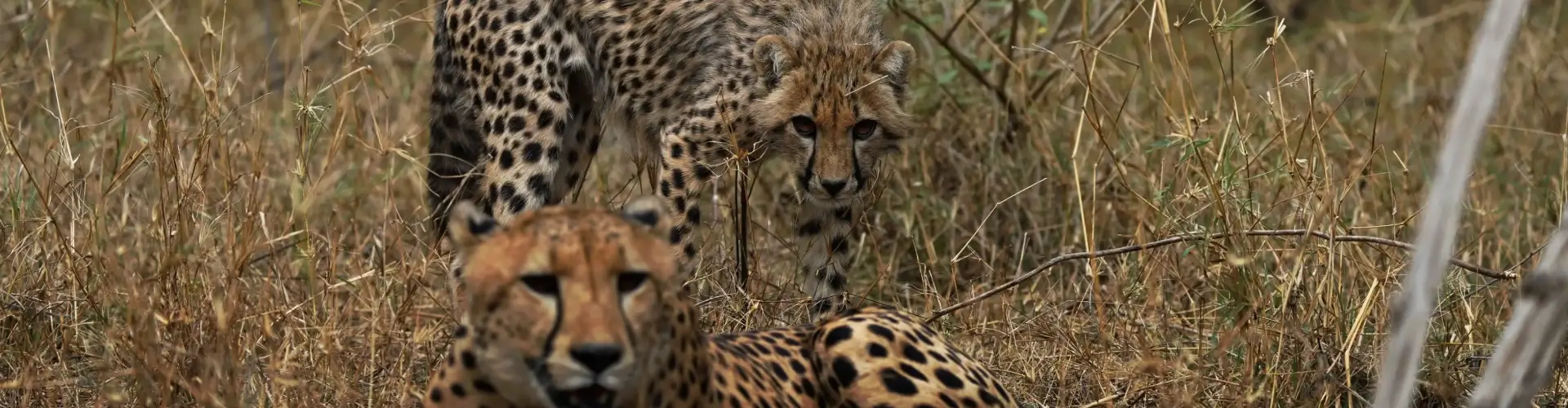
The standout achievement of this protected area is the historic Cheetah Reintroduction Project, a significant conservation effort that has gained global attention. India launched Project Cheetah on September 17, 2022, marking the return of the big cat to its natural habitat after more than seventy years. The project carefully introduced eight African cheetahs from Namibia, followed by twelve more from South Africa in early 2023. This has established a new foundation for healthy carnivore populations in Kuno National Park. This rewilding effort shows India's commitment to restoring large ecosystems and has turned the region into a recognized model for species recovery.
As of December 2025, the total cheetah population in India is 31, including cubs born in India. The majority, 28 cheetahs, are at Kuno National Park, while three adults have been successfully moved to the Gandhi Sagar Wildlife Sanctuary in Madhya Pradesh as part of the project's expansion. Sadly, the project has recorded 21 deaths (nine translocated adults and twelve India - born cubs) since its inception. However, the successful birth of a third generation of cubs continues to boost confidence in long - term population stability. India is also set to receive a new batch of eight cheetahs from Botswana in the coming months. The growing population of cheetahs in Kuno National Park represents a significant ecological achievement that resonates with conservation communities worldwide.
Kuno was selected after years of scientific evaluation, focusing on landscape quality, prey density, and low human impact. The park's vast savanna-woodland habitat provides the ideal environment and hunting opportunities for the species, helping them adjust to their new surroundings. The successful transition of several cheetahs from quarantine areas to open, free-roaming spaces confirms the project's progress. Visitors today are increasingly excited about the opportunity for a guided Kuno National Park cheetah safari, making the region one of the fastest-growing wildlife tourism hotspots. Ongoing monitoring, improved habitat management, and collaboration among conservation efforts ensure the project stays active, transparent, and focused on securing the future of this iconic species.
The vegetation of Kuno National Park in Madhya Pradesh is defined by a vast area of Southern Tropical Dry Deciduous Forest, creating a rugged yet lively habitat for wildlife. The terrain includes rolling hills, rocky plateaus, and fertile river patches, each supporting different plant communities. The landscape of Kuno Wildlife Forest features key species like Kardhai (Anogeissus pendula), Salai (Boswellia serrata), and Khair (Acacia catechu), which thrive in central India's dry climate. These resilient species form the foundation of the forest ecosystem and give Kuno its distinctive look. The park boasts a remarkable diversity of plant life, with 123 tree species, 71 shrub species, 32 climbers, and 34 types of bamboos and grasses.
| Vegetation Type / Category | Key Species | Ecological Importance |
|---|---|---|
| Dominant Forest Type | Southern Tropical Dry Deciduous Forest | Forms the primary habitat structure of Kuno National Park Forest, supporting large herbivore and predator populations |
| Major Tree Species | Kardhai (Anogeissus pendula), Salai (Boswellia serrata), Khair (Acacia catechu) | Provide canopy cover, fodder, and shade essential for wildlife survival in dry climates |
| Seasonal & Flowering Trees | Tendu (Diospyros melanoxylon), Palash (Butea monosperma) | Support seasonal food cycles, pollinators, and visual diversity within the Kuno Wildlife Forest |
| Grasslands & Savanna Patches | Native grasses and savanna vegetation | Critical for cheetah movement, hunting visibility, and sustaining prey species |
| Riverine Vegetation | Trees and shrubs along the Kuno River | Maintains soil stability, water availability, and biodiversity corridors |
| Plant Diversity Count | 123 tree species, 71 shrubs, 32 climbers, 34 grasses & bamboos | Ensures ecological resilience and long-term sustainability of wildlife habitats |
| Forest Sub - types | Riverine forests, thorn forests, ravine thickets, salai woodlands, dry savanna forests, mixed deciduous scrub | Creates varied micro - habitats supporting diverse fauna and successful cheetah reintroduction |
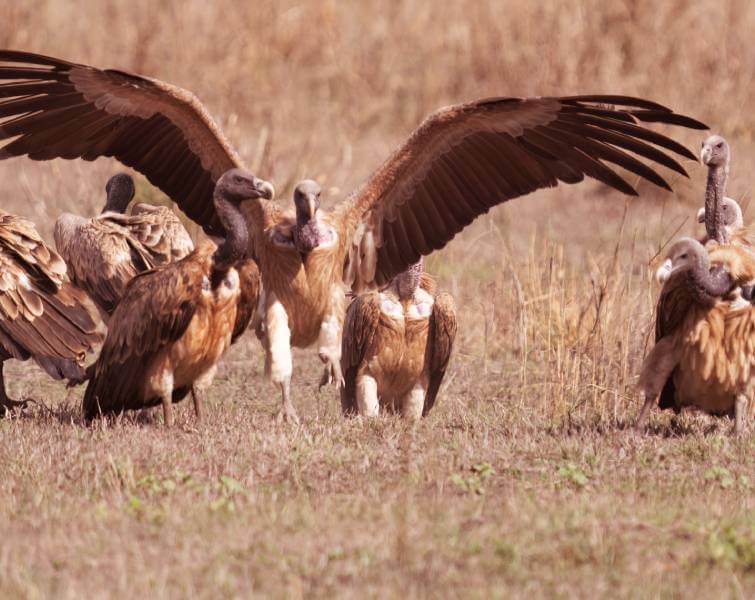
Beyond the reintroduced cheetahs, Kuno Wildlife Sanctuary is home to a wide range of wildlife, making every safari in Kuno National Park a memorable experience. The area hosts a substantial herbivore population that forms the base of its food chain. The Kuno National Park Forest also hosts over 200 bird species, including vultures, owls, eagles, and migratory visitors that arrive during the cooler months. According to official records, Kuno is home to 33 mammal species, 206 bird species, 33 reptile species, 14 fish species, and 10 amphibian species.
| Category | Species | Notes |
|---|---|---|
| Top Attraction | Cheetah | Reintroduced under Project Cheetah, Kuno is currently India's primary free-ranging cheetah habitat |
| Large Carnivores | Leopard, Indian Wolf, Dhole | Maintain predator - prey balance within the Kuno National Park Forest |
| Medium Carnivores | Striped Hyena, Jackal, Jungle Cat | Important scavengers and secondary predators |
| Large Herbivores | Sambar, Nilgai, Blackbuck | Key prey species supporting cheetah survival |
| Small & Rare Herbivores | Chinkara, Four - horned Antelope | Indicators of habitat health and biodiversity |
| Other Mammals | Sloth Bear, Indian Fox, Civet, Mongoose, Porcupine | Frequently spotted during safaris in Kuno National Park |
| Primates | Langur, Rhesus Monkey | Commonly seen along forest edges and river zones |
A safari in Kuno National Park is an exciting way to experience the vibrant wildlife and natural beauty of this protected area. Visitors can explore the landscape in jeep safaris that travel through dense forests, open meadows, and long grasslands. This immersive experience lies at the heart of wildlife tourism in Kuno National Park, allowing travelers to observe cheetahs, leopards, antelopes, deer, and many bird species in their natural habitats.
Each safari takes place in an open-top jeep with certified forest guides who share valuable insights about animal behavior and movement. Their knowledge greatly improves your chances of seeing big cats and other elusive creatures. Given the growing interest in the Kuno National Park cheetah safari, it's a good idea to book online in advance. Bringing binoculars and a camera enhances the experience, especially as you navigate the serene forest corridors of the Kuno Wildlife Sanctuary, where each turn offers a chance for a memorable wildlife encounter.
The management of Kuno National Park has set up specific safari zones to control tourist movement, manage visitor numbers, and ensure meaningful wildlife sightings. The first official Cheetah Safari is operational. Currently, entry points such as the Tiktoli Gate, Ahera, and Pipalbawdi serve as the main safari starting points. The Parond Forest Zone remains an important area for the phased release and monitoring of free - ranging cheetahs. Each official safari zone in Kuno National Park is carefully mapped to include areas with high wildlife density, diverse habitats, and critical ecological features.
| Safari Zone / Entry Gate | Role & Coverage | What to Expect |
|---|---|---|
| Tiktoli Gate (Main Entry) | Primary and most active safari entry point for Kuno National Park | High probability of general wildlife sightings, including herbivores, birds, and occasional big cat movement; closest access to most resorts and visitor facilities |
| Ahera Gate | Secondary safari entry serving forest interiors and buffer landscapes | Quieter routes with fewer vehicles; good for birdwatching and spotting antelope species during safaris |
| Peepal Bawadi Gate | Alternate entry point covering grassland and mixed forest patches | Suitable for travellers staying farther from Tiktoli; offers varied terrain and open visibility |
| Parond Forest Zone | Conservation - focused zone used for phased cheetah release and monitoring | Restricted tourist access; critical for cheetah adaptation, tracking, and habitat management |
| Buffer & Transition Zones | Surrounding forest corridors beyond core safari routes | Limited tourism access; supports wildlife movement, dispersal, and long-term ecosystem stability |
Planning a safari in Kuno National Park requires adhering to official timings, divided into morning and evening sessions, to maximize wildlife sightings when animals are most active.
Safari Timings :
These safari timings at Kuno National Park are approximate and may change slightly with seasonal variations in sunrise and sunset. It is recommended to arrive at the Tiktoli Gate early to confirm and ensure a smooth entry.
The cooler hours of morning and evening offer the best conditions for observing wildlife. Predators tend to be more active during these times, boosting your chances of spotting big cats during a Kuno National Park cheetah safari, along with other mammals in the forest. For a memorable and successful safari experience, plan your visit around these optimal time slots.
The best time to visit Kuno National Park depends on your weather preferences and wildlife - watching goals. Each season provides a different experience for visitors.
| Season | Months | Temperature Range | Park Status | What to Expect |
|---|---|---|---|---|
| Winter (Best Time) | October to March | 7°C - 25°C | Open | Pleasant weather, clear skies, sparse vegetation, and the best overall conditions for safaris and wildlife photography, including cheetah tracking |
| Summer (Wildlife Focused) | March to Mid - June | 25°C - 45°C | Open | High temperatures but excellent wildlife visibility as animals gather near water sources; best suited for serious wildlife enthusiasts |
| Monsoon (Closed Season) | Mid - June to September | 22°C - 35°C | Closed | Park remains closed due to heavy rainfall, muddy tracks, and conservation needs; essential period for habitat regeneration |
Choosing the right accommodation can enhance your trip to Kuno National Park. While the area is still growing, there are various options available near the main Tiktoli Gate to match different preferences and budgets.
Luxury & Mid - Range Resorts
Several new jungle resorts and retreats in the Sesaipura village area provide comfortable cottages, modern amenities, and assistance with safari bookings. These resorts are among the best places to stay for a seamless and immersive wildlife experience near Kuno National Park.
Jump to:
Book one of our specially crafted Madhya Pradesh tour packages to explore India’s one
of the greatest
national
parks and visit its wonderful tourist spots.
Madhya Pradesh Tourism: Explore the Heartland of Incredible India!
Get the latest Bandhavgarh
travel blogs and wildlife
news updates.
Posted on August 8, 2026

Explore more travel & tourism info on Bandhavgarh...

Click here to read more on best things to do in Bandhavgarh..

What is the best time to visit Bandhavgarh? Explore more info here...

Must visit popular attractions in Bandhavgarh Tiger Reserve...
Calling Time- 10:00 AM to 6:00 PM











 +91 9212777223